
How to identify scams involving government subsidies
Last updated: June 2026 · Hechos Para la Comunidad Foundation (Hepacom) · NIT 900.841.914-1
Information guide. Always verify information through official channels before providing any data or money. Hepacom does not collect or process payments for any government subsidies.
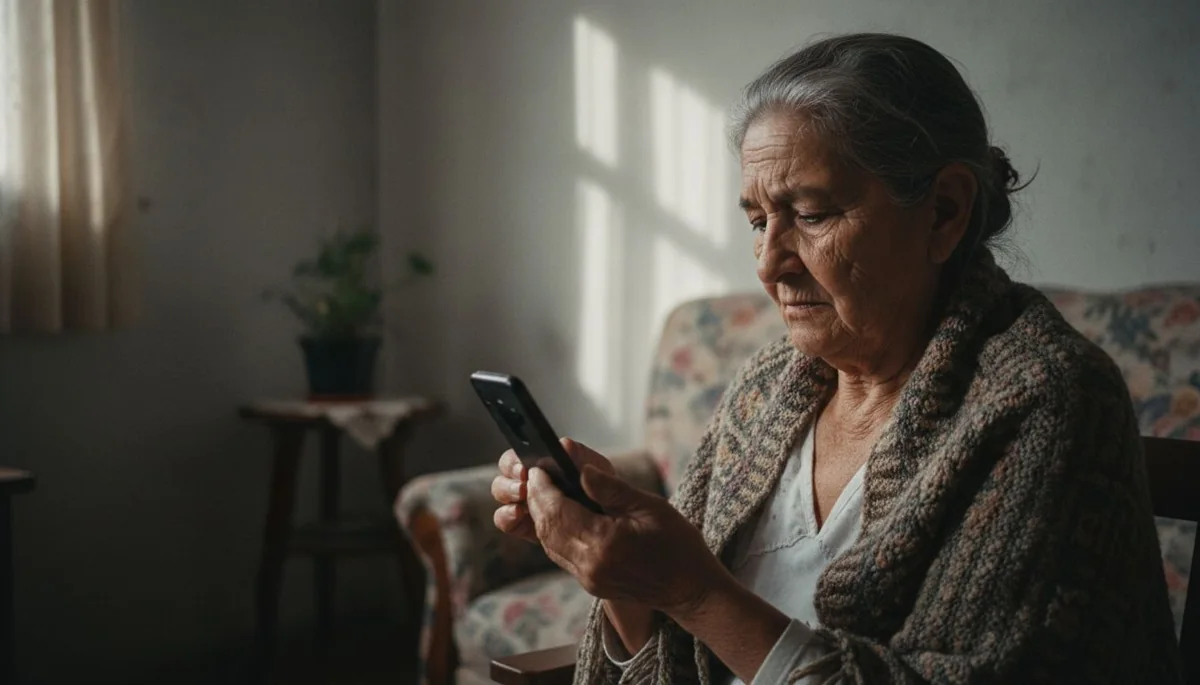
Doña Rosa, a resident of Itagüí, received a WhatsApp message one Tuesday at 7 a.m. "Congratulations, you have been SELECTED for the Citizen's Income program. To activate your payment, click here and pay the registration fee." The link read renta-ciudadana-co.com. It had the government logo, the colors, even a photo. Rosa almost paid. She didn't because her granddaughter told her something we want to repeat to you today: the government never charges you for giving you a subsidy.
Short answer: the subsidy scams They almost always ask for two things the government never asks for: money upfront or your bank password. If a message, a call, or a website does either of these, it's a scam. The only real place ends in .gov.co, It's free, and it never messages you on WhatsApp asking for passwords. Below we show you how to recognize each type of scam and what to do if you've already fallen for it.
Why have subsidy scams increased so much?
Programs like the Citizen's Income program reach millions of households. Where there is public money and people who need it, opportunists appear. The Department of Social Prosperity issued a public alert about unscrupulous individuals impersonating government officials. The problem has worsened: criminals are now using digital tools to clone logos, copy domain names, and create websites identical to official ones. The scam from three years ago was a message riddled with spelling errors. Today's is flawless.
That's why it's no longer enough to rely on "it looks official." You have to verify the channel, not the appearance. Seniors and people waiting for food assistance are prime targets because their sense of urgency clouds their judgment. If you have a grandparent with a cell phone at home, this guide is for you to read aloud to them.
What are the most common types of scams?
We've seen them repeated. These are the four that our neighbors report most frequently:
- The WhatsApp message saying "you've been selected". They tell you that you've won a spot and that you need to pay an "activation," "registration," or "unlock" fee. If you're ever charged anything, hang up. Prosperidad Social doesn't charge a single peso for registration or for providing a subsidy.
- The page that imitates the .gov domain with a hyphen. You receive a link like this
sisben-gov.coorenta-ciudadana-co.com. Look closely: the real place is sisben.gov.co, No hyphen before "gov" and no strange endings. A hyphen or a ".com" attached to the name is the trap. - The "manager" who charges for registering you. Someone, sometimes going door-to-door, offers to get you enrolled in the Sisbén system or boost your score for a fee. The Sisbén survey is free, conducted directly by your local government office, without intermediaries. No one authorized to do this will charge you.
- The link that steals your data. They send you a link to "check your payment" and ask for your ID, bank password, or a code you received via SMS. That's phishing. That website exists solely to empty your account.
How do I know which is the real official channel?
Learn three rules and you can't go wrong. First: the official address ends in .gov.co And you type it into the browser yourself; you never access it through a forwarded link. For subsidies, it's... socialprosperity.gov.co and for the Sisbén group it is sisben.gov.co. Second: the procedure is free, without exceptions. Third: the State WhatsApp never asks for your bank password not even by phone.
The agency itself states: Prosperidad Social never asks for money or personal information such as passwords or account numbers. If someone asks you for this information claiming to be them, they are lying. And here's some reassuring information: official emails only originate from the official domain. @prosperidadsocial.gov.co. If the sender is a Gmail or Hotmail address, even if it has the Colombian coat of arms, it's fake.
Warning signs: if you see one, stop
- They ask you to pay to "activate", "register" or "release" a subsidy.
- The link doesn't end exactly in
.gov.co(It has a hyphen, ".com", numbers, or words stuck together). - They rush you: "You have 2 hours," "The quota expires today.".
- They ask for your bank password, token, or a code you received via SMS.
- The message comes from a personal cell phone and not from an official channel.
- They offer to "raise your Sisbén score" in exchange for money.
- There are spelling mistakes or the greeting is generic ("dear user").
Just one of these signs is reason enough to be suspicious. Don't reply, don't click the link, don't forward the message to your family. And if you were genuinely rejected for a subsidy, the right course of action is... Why was my grant application rejected?, not in a "manager".
What do I do if I've already fallen for a subsidy scam?
Breathe. You're not the first person, and you won't be the last, and you can take action. Do this in order:
- If you gave out your bank password: Call your bank NOW on the number on the back of your card, block the account, and change your passwords. Every minute counts.
- Report it at the Virtual CAI. Enter
caivirtual.policia.gov.co, Open the chat and report the fake page, call, or message. It's free and it's recorded. - File a formal complaint in
adenunciar.policia.gov.coso that the prosecution can investigate. - Notify Prosperidad Social through their official channels so that they can alert others.
- Save the evidence: Screenshots of the message, the number, the link, and proof of payment. That's needed for the complaint.
And if you haven't fallen for it yet but you've received something suspicious, block the number and delete it. There's nothing to gain by responding.
This guide is part of our Complete guide to state aid and subsidies in Colombia, where we organize all the programs in one place.
How Hepacom accompanies you
At the Hechos Para la Comunidad Foundation, we work for the right to decent housing, and that includes protecting the money of families saving for a home. If you have any doubts about whether a program is legitimate, before paying or providing your information, write to us and we'll help you verify it through official channels. We don't charge for guidance and we don't process any subsidy payments. A family whose savings are stolen loses much more than money: they lose months of hard work toward owning their own home. That's why we prefer you ask a thousand questions before falling for one.
If you want to better understand the subsidy system and what you are actually entitled to, we've prepared these guides for you:
- Real requirements for Citizen's Income
- Which Sisbén groups have access to subsidies
- More guides from our blog
Signs of subsidy scams and what to do in each case
Subsidy scams change their names, but they almost always use the same telltale signs. This quick guide will help you recognize them and react before handing over any information or money. If you have any doubts, always verify with the official source (Social Prosperity, DIAN, or the relevant agency).
| Sign of a scam | To do |
|---|---|
| They ask you to pay to "enroll" or "unlock" a transfer | Cut off contact: official programs are free and never charge for registration. |
| They contact you via WhatsApp or SMS with a link "to claim now"« | Do not open the link; go directly to the official portal by typing the address by hand. |
| They ask for your password, security code, or full account details. | Do not share them; no official entity asks for passwords via message or call. |
| They pressure you by saying "the quota expires in minutes"« | Be wary of urgency: it's a tactic to prevent you from verifying. |
General guide only. Scam methods change over time; verify any communication through official channels of Prosperidad Social, the DIAN, or your bank.
Common mistakes when dealing with a scam
- Reply to the suspicious message "just to confirm": Any response confirms that your number is active and attracts more attempts.
- Search for the program on Google and click on the first result: It could be a fake ad or website; check the official address.
- Assuming a message is real because it contains logos or your name: That data is easy to falsify; what matters is the channel.
Frequently Asked Questions
Does the government charge for registering me for a subsidy?
No. No official program charges for registration, activation, or unlocking. If they charge you, it's a scam.
How can I tell if a subsidy website is fake?
Look at the address. The real one ends in .gov.co without hyphens or ".com" attached. sisben.gov.co It's real; sisben-gov.co It's false.
Does Prosperidad Social use WhatsApp?
They have an official WhatsApp customer service number, but they never ask for bank details, money, or send payment links through that channel.
I received a message saying I was selected, is that true?
Verify yourself by entering socialprosperity.gov.co And check with your ID. Don't trust the message or its link.
I already paid, do I lose the money?
Act quickly: call your bank, report it to the Virtual CAI (Citizen Assistance Center), and save the evidence. Sometimes the transaction can be stopped in time.
Remember: Information guide. Always check the official channel. Hepacom does not charge or manage payments for any government subsidies.
Keep reading — more about State subsidies and aid
Ayudas y subsidios del Estado en Colombia: la guía para tu familia
Mapa claro de las ayudas y subsidios del Estado en Colombia: Sisbén, Renta Ciudadana, IVA, Colombia Mayor, vivienda y cómo evit…
Read more →BEPS de Colpensiones: qué es, quién puede ahorrar y cómo se vuelve un ingreso para la vejez
Guía de BEPS de Colpensiones: qué es, quién puede ahorrar, cómo vincularse, el incentivo del Estado y la diferencia con la pens…
Read more →Jóvenes en Acción ahora es Renta Joven: requisitos 2026
Jóvenes en Acción Renta Joven: requisitos verificados, cómo postularse y por qué hoy no hay inscripciones. Cuidate de los sitio…
Read more →Subsidio del adulto mayor: qué programas hay, cómo consultar y cuándo pagan
Guía del subsidio del adulto mayor en Colombia: qué programas existen (Colombia Mayor, alcaldías, Centros Vida, BEPS), cómo con…
Read more →Your donation builds the next home
If this story touched you, turn it into a roof for a Colombian family.
Donate now ♥