
Housing deficit in Colombia: why decent housing remains urgent
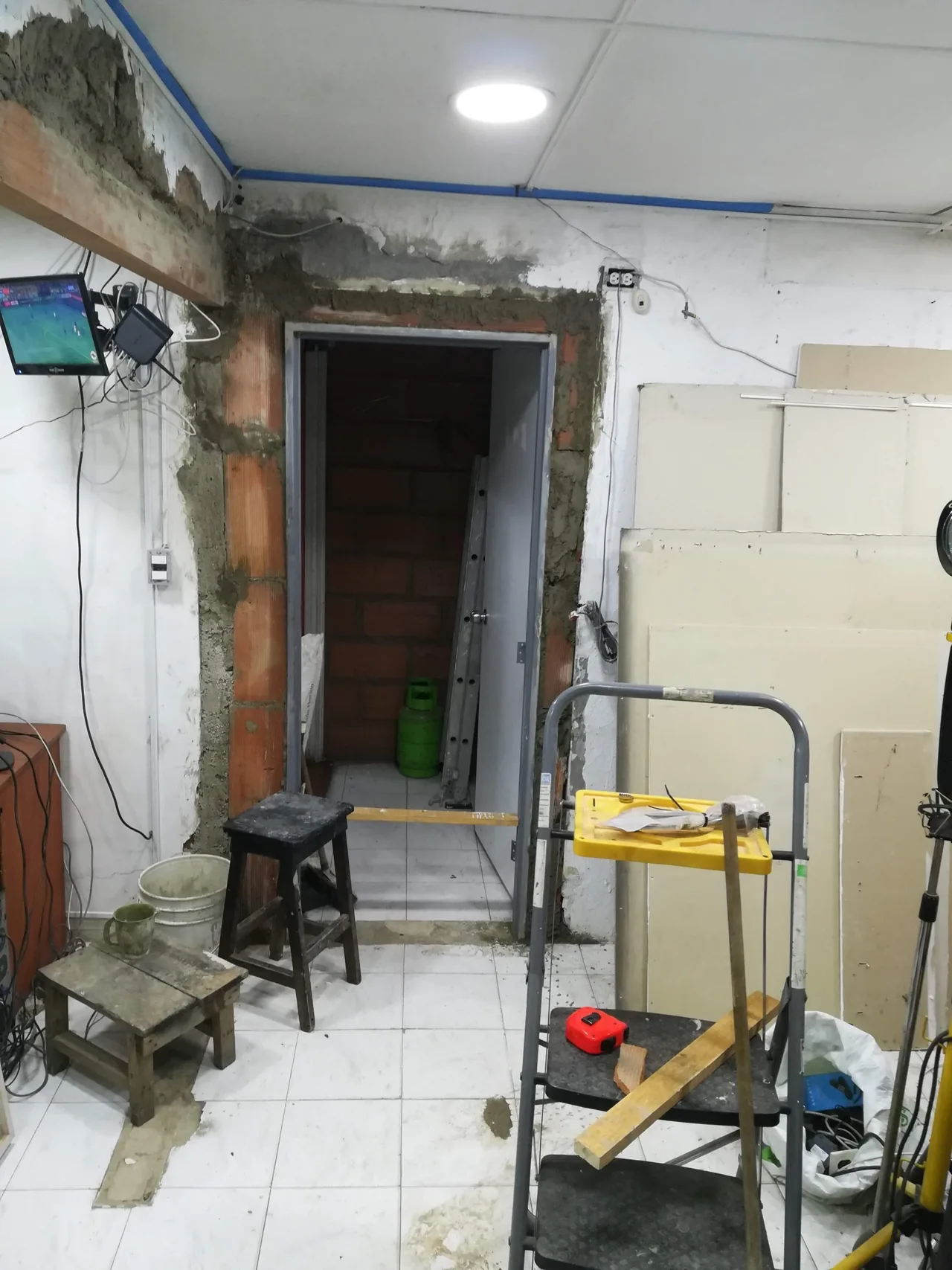
4.8 million households. That's the figure that best summarizes the housing deficit in Colombia: 25.61% of the country's households do not live in adequate conditions, according to DANE (National Administrative Department of Statistics). This is not an abstract statistic. These are families with dirt floors, broken roofs, or houses so cramped there's no room for another bed.
It's worth understanding the number before judging it. Because the housing deficit in Colombia doesn't mostly mean there's a lack of houses. It means something else.
Qualitative vs. quantitative: the difference that changes everything
The 75% deficit is qualitative. This means that most of these families do have a house, but it is precarious: it needs improvements, not new construction, according to DANE data.
The remaining 25% is a quantitative deficit: households that truly lack housing or share a home with another family. This distinction is important because it defines the solution. Some need new homes built; the vast majority need help repairing what they already have. Replacing a floor, reinforcing a roof, installing a bathroom. It's cheaper, faster, and transforms lives just the same.
rural 58.6% versus urban 16.5%
The countryside bears the heaviest burden. The rural housing deficit reaches 58.61% of total rural housing units (TP3T), while the urban deficit is 16.51% of total urban housing units (TP3T), according to DANE (National Administrative Department of Statistics). Nearly six out of ten rural households live in inadequate conditions.
The gap is not accidental. In rural areas, access to drinking water, sanitation, and building materials is more difficult and more expensive. That's why a farming family may own land and a roof over their head, but still be considered deficient: they lack the basic necessities for that house to truly provide protection.
Homeownership fell to 34.81%.
Homeownership is becoming increasingly rare. The proportion of households with their own homes has fallen to 34.81%, its lowest point in eight years, according to DANE (Colombia's National Administrative Department of Statistics). Today, most Colombians rent or live with relatives.
When homeownership becomes more distant, the most vulnerable families are trapped: they pay rent for precarious spaces, unable to improve something that isn't theirs. The qualitative housing deficit and the decline in homeownership feed off each other.
What does the housing deficit mean in Colombia?
This means that improving housing is just as important as building new homes. If three out of four families in need already have a home, albeit a precarious one, addressing the problem through new construction leaves the vast majority of people out of the picture.
And there's an argument that goes beyond the social aspect. A Habitat for Humanity study estimates that closing the decent housing gap could contribute up to 10.51 trillion pounds to GDP. Better housing means better health, better education, and a stronger economy. If you want the rationale behind what counts as adequate housing, we explain it in [link/reference]. What is decent housing?.
What do we do with these figures?
At Hepacom, we use this data to focus on where the most problems arise. We are the Hechos Para la Comunidad Foundation, a non-profit organization based in Itagüí with a national reach, and our mission is to build and improve decent housing for vulnerable families.
Since the 75% deficit is qualitative, we prioritize improvements: solid floors, safe roofs, and functioning bathrooms and kitchens. You can see the work in progress at our projects and contribute directly from here. The full figures are published by DANE.
How to read the housing deficit figures
The DANE data cited above only make sense when interpreted. This table uses those same official figures and explains what each one implies to help understand where the problem is most acute. We haven't added any new numbers: these are official sources read in context.
| Indicator (according to DANE) | Data cited | What does it involve? |
|---|---|---|
| Households in deficit | 25.6% (approximately 4.8 million) | One in four households lives in inadequate conditions |
| Qualitative deficit | 75% of the total | Most already have a home; they need to improve it, not build it from scratch. |
| Rural vs. urban deficit | 58.6% versus 16.5% | The field bears the brunt of the problem. |
| Own home | 34.8% of households | Homeownership is becoming less common; more families are renting. |
Figures from DANE; official publications may be updated from one period to another.
Common mistakes when interpreting the housing deficit
- To think that deficit means "having no ceiling": Three out of four cases are qualitative, that is, houses that exist but are precarious.
- Look only at the national average: It hides the rural gap, which is much higher than the urban one.
- Assuming that the solution is always to build: For the bulk of the deficit, improving what already exists is faster and reaches more families.
Frequently Asked Questions
What is the housing deficit in Colombia?
According to DANE (National Administrative Department of Statistics), 25.61% of households, approximately 4.8 million, are experiencing a housing deficit. Of that deficit, 75.1% is qualitative, meaning the houses are substandard and require improvement.
What is the difference between a qualitative and a quantitative deficit?
Qualitative housing means having a home in poor condition that needs repairs. Quantitative housing means not having a home or sharing one with another family. In Colombia, 751% of the housing deficit is qualitative.
Why is the deficit greater in rural areas?
Because access to drinking water, sanitation, and building materials is more limited and expensive. The rural deficit reaches 58.61% of total rural areas compared to 16.51% in urban areas, according to DANE (National Administrative Department of Statistics).
How many Colombians own their own home?
Only 34.81% of households have access to housing, the lowest figure in eight years according to DANE (National Administrative Department of Statistics). Most rent or live with relatives.
These numbers change when someone takes action. If you're affected by any of them, turn it into a real improvement. Donate today and help us lift one more family out of poverty.
This guide is part of our Complete guide to decent housing in Colombia, where we bring together how to access housing and how to help another family have their own.
Keep reading — more about Decent housing
Subsidios de vivienda para víctimas del conflicto armado: rutas y cómo pedir la prioridad
Qué dice la Ley 1448 de 2011 sobre la prioridad de las víctimas en los subsidios de vivienda, qué rutas existen (compra, sitio …
Read more →Subsidized housing: where to find real VIS and VIP projects
Where to find subsidized housing through official channels, what the limits are for VIS and VIP housing according to Law 2294 of 2023 and…
Read more →Solidarity rental subsidy: open registration and who can apply
There's an open call: Bogotá is accepting in-person applications from September 7th to 23rd, 2026. Who qualifies for each program…
Read more →Young Owners: what happened to the program and what exists today
Thousands of young people are looking for a program that was announced in 2021 but is no longer accepting applications. We'll tell you what's happening, how to get started…
Read more →Your donation builds the next home
If this story touched you, turn it into a roof for a Colombian family.
Donate now ♥