
Single Registry of Victims (RUV): how to register step by step
Last updated: June 2026
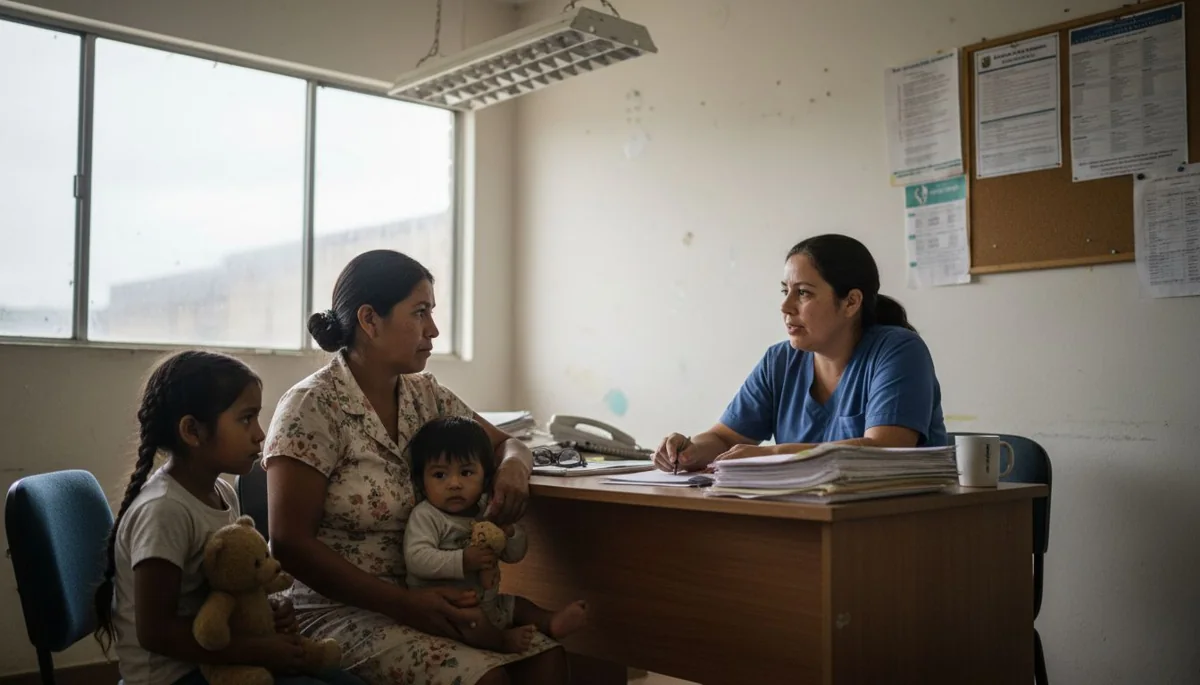
When Doña Rosa had to leave her farm overnight, she arrived in the city with two children, a suitcase, and the feeling that no one was responsible for her anymore. She spent months believing that no one cared about her case. That wasn't true: all she needed was to file a report and be registered in the state registry that exists precisely to recognize people like her.
In short: the single registry of victims The Single Registry of Victims (RUV) is the official database where the Colombian State recognizes those who suffered an act of the armed conflict, so they can access the support and reparations mandated by law. Being registered in the RUV is not just a formality: it's the gateway to your rights. Here we tell you who can register, where to register, and the step-by-step process to do it correctly.
What is the Single Registry of Victims and what is it for?
The RUV is the registry administered by the Victims Unit, created by Law 1448 of 2011 (the Victims Law). Its function is to identify and formally recognize people affected by the internal armed conflict so that the State can provide them with assistance.
Registering is not the same as receiving an automatic payment. Registration is recognition; it activates pathways for humanitarian aid, healthcare, education, and reparations. Without being registered in the RUV (Single Registry of Victims), these opportunities remain closed, which is why registering on time is so important.
Who can register in the RUV?
Anyone who has suffered harm as a result of events occurring within the context of the armed conflict can file a claim. The law recognizes various types of victimization and also protects close relatives when the direct victim has died or is missing.
- Forced displacement. Having to leave your place of residence due to threats or violence.
- Homicide or enforced disappearance. In these cases, family members (spouse, children, parents) make the statements.
- Kidnapping, torture, or sexual violence. Acts against the integrity and freedom of the person.
- Anti-personnel mines and explosive devices. Accidents that result in injuries or disability.
- Dispossession or abandonment of land. Loss of property or possession due to the conflict.
There is a legal deadline for filing a report after the incident, and that deadline can vary depending on the situation. Therefore, it's advisable not to delay and to confirm the current deadline directly with the relevant authority. Victims Unit.
Where and how do I register to enter the single registry of victims?
The first step is always filing a statement, which is done at the Public Prosecutor's Office. There is no fee and no intermediary is needed: the process is free and must be completed in person.
You can submit your statement at the Ombudsman's Office in your municipality, at the Ombudsman's Office or at the Attorney General's Office. There, an official takes your account of the event, along with your personal information and that of your family. This statement is then sent to the Victims Unit, which is the entity that studies the case and decides whether to include you in the registry.
Step-by-step guide to registering in the RUV
| Passed | What's happening | Before whom |
|---|---|---|
| 1. Declaration | You recount the victimizing event with your details and those of your family. | Office of the Ombudsman, People's Defender or Attorney General |
| 2. Assessment | The statement and the evidence in the case are being studied. | Victims Unit |
| 3. Decision | The decision to include you in the registry or not will be made within a legal timeframe. | Victims Unit |
| 4. Notification | They inform you of the result and, if you are included, you are registered in the RUV. | Victims Unit |
Guideline chart of the general route according to Law 1448 of 2011. The declaration is made by the Public Ministry and the decision of inclusion is adopted by the Victims Unit (unidadvictimas.gov.co).
What happens after I register?
If the Unit includes you, you will be recognized as a victim in the RUV (Single Victim Registry) and your support pathway will begin. From there, you can request humanitarian aid, psychosocial support, healthcare and education, and, depending on your case, reparations.
Registration also connects you with broader social support. Many families included in the RUV have priority access to government programs and special housing pathways. To navigate this map, our guide may be helpful. State aid and subsidies in Colombia and the one of Sisbén groups for subsidies.
Common mistakes when registering in the RUV
- Letting the deadline for filing a declaration pass. Waiting too long can complicate inclusion; declare as soon as possible.
- Falling into the hands of intermediaries who charge fees. The process is free; nobody should ask you for money to "speed it up".
- Not updating your contact information. If the Unit cannot locate you, you will not find out about the decision or the assistance.
Frequently asked questions about the single registry of victims
Is there a cost to registering with the RUV?
No. The declaration and registration are completely free. If someone charges you to include you or to "speed up" your case, it's a scam: the process is handled by official entities without intermediaries.
How long does it take for the Unit to respond?
The Victims Unit has a legal timeframe to assess the declaration and decide on inclusion. The exact timeframe depends on each case; you can check the status of your application through the entity's official channels.
Can I testify if the event occurred several years ago?
It depends on the type of incident and the applicable legal timeframe. Even if some time has passed, it's worth contacting the Ombudsman's Office or the Public Defender's Office and consulting with the Victims' Unit about your situation before dismissing the possibility.
What do I do if I'm not included in the registry?
The decision is notified, and you can appeal it to request a review. Contact the Office of the Ombudsman or the Human Rights Ombudsman, who can advise you free of charge on how to challenge the decision.
How Hepacom accompanies you
At the Hechos Para la Comunidad Foundation, we work for the right of vulnerable families to a life and a decent housing in Colombia. Many of the families we accompanied arrived displaced, unaware that the State had a registry intended to recognize them.
We don't process your registration—that's done by official entities—but we do help you understand the process, avoid intermediaries, and connect your rights with the path to owning your own home. Find more guides in our blog And if you need guidance, write to us at donaciones@hepacom.org or through the page of contact us.
Information guide. Registration is handled by the Public Prosecutor's Office and the Victims' Unit. Check the current deadlines and requirements on the official channel. Hepacom does not charge fees or process paperwork or payments.
Keep reading — more about Sisbén, records and health
Cómo actualizar la encuesta del Sisbén paso a paso
Aprendé a actualizar la encuesta del Sisbén paso a paso: cuándo hacerlo, qué documentos llevar y por qué el trámite es gratis y…
Read more →Certificado de discapacidad: cómo sacarlo paso a paso, cuánto cuesta y para qué sirve
Guía del certificado de discapacidad: quién lo expide, paso a paso para pedir la orden y la valoración, plazos, costo, para qué…
Read more →RUI inquiry: how to do it with your ID card and what happens to your subsidies
The Universal Income Registry (RUI) has been in effect since August 1, 2026. How to check your status using your ID card at the service window…
Read more →Sisbén family group: who is on your record and how to change it
Family ties don't determine who's on your list: they determine the shared budget and the communal pot. Who counts as a resident…
Read more →Your donation builds the next home
If this story touched you, turn it into a roof for a Colombian family.
Donate now ♥